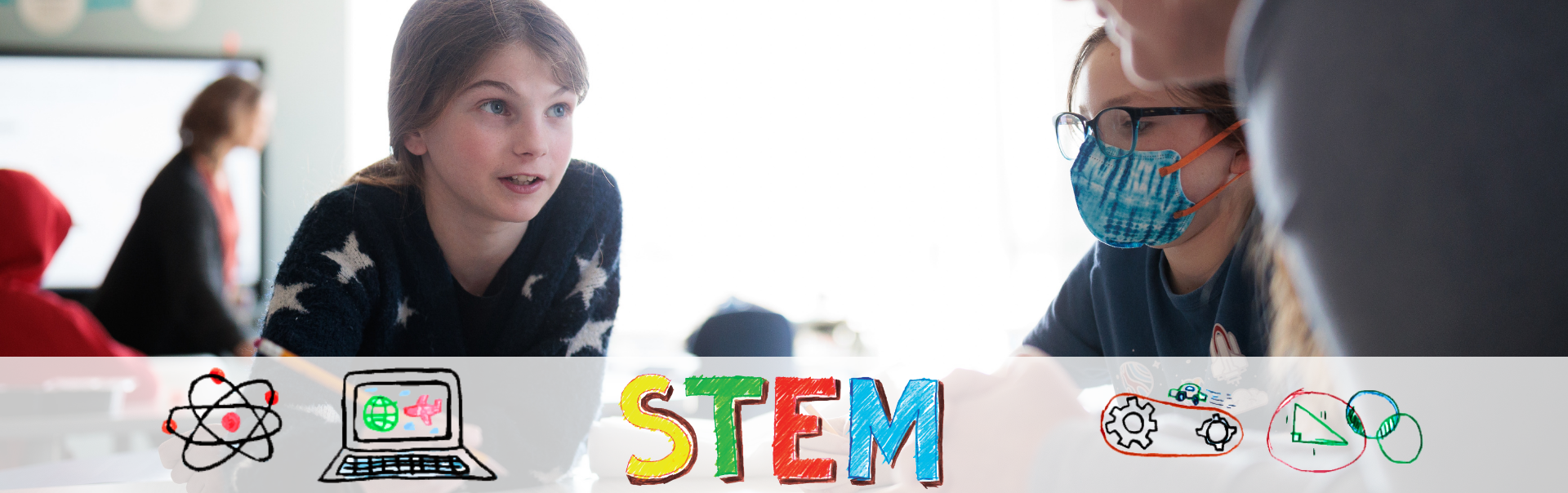
Afterschool and third space programs are a prime space for youth to learn about science, technology, engineering, and mathematics (STEM). Afterschool STEM programs spark interest by engaging students in hands-on experiences and help them build workforce skills such as collaboration, and foster new ways of thinking such as engineering mindset. Afterschool STEM programs also boost students’ proficiency in math and science, increase their likelihood of graduation, and put them on the path to pursuing a career in the STEM fields.
Vermont Afterschool has been at the forefront of expanding STEM learning throughout the state, including its creation of the STEM Advisory Committee, a network of STEM entities across the state working together to identify the gaps in access to STEM that exist statewide and address them to ensure that underrepresented youth and Vermont’s rural areas gain more access to STEM offerings in out-of-school time spaces.
For more information or to be part of any of these programs, contact Katie O’Shea.
**NEW RESOURCE** In partnership with Vermont Energy Education Program, New Hampshire Energy Education Program, Vermont Department of Fish & Wildlife, NCSU Encore, and University of Vermont Extension 4H, Vermont Afterschool created a Best Practices guide for STEM-based programs, which includes best practice examples (for Space, Connections, Content, Skills, and Pathways) appropriate for elementary, middle, and high school youth, as well as links to other important and helpful resources. Click here to download the guide.

Young people from the Art Evolve and Richford LEAPS afterschool programs submitted videos to the National Geographic Slingshot Challenge, describing their ideas for solving environmental issues. Watch “We Love our Lake” by Alex, Liam, Heath, Ian, Jay, Bella, and Quinn to see one remedy to Lake Champlain pollution, and “Town Cleanup” by Tyler, Madelyn, and Karlie to hear about a solution to needle waste in public spaces.
Vermont Afterschool’s 2024 Fall Linking Engineering to Life Biomed Course was a success at Winooski Afterschool Program, Tuttle Middle School, Williamstown Middle School, Cambridge Elementary, Village School of North Bennington, Montgomery Elementary, Bakersfield Elementary, Robinson Elementary, Monkton Elementary, and Charleston Elementary. Great job to all of the staff, youth, UVM CEMS mentors, and guest speakers!
One way Vermont Afterschool is helping promote these skills in the third space is through the Linking Engineering to Life (LEL) curriculum. Thanks to the support of STEM Next, Vermont Afterschool has developed the LEL program aimed specifically at girls and non-binary youth who have historically been underrepresented in STEM fields.
LEL works to eliminate barriers of participation by recruiting diverse youth and training afterschool program leaders on how best to include youth from a spectrum of economic, geographic, racial, and gender identities. Middle school girls and non-binary students have access to an exciting hands-on curriculum, including all materials and activities, as well as college-aged mentors who are currently studying a STEM topic. LEL is offered as a BASICS engineering course in the fall and a BIOMEDICAL engineering course in the spring. Basics focuses on all different aspects of engineering (i.e., electrical, civil, environmental) and Biomedical focuses on biomedical engineering, with activities such as creating a prosthetic device for your leg. You can sign up for either semester and there are no prerequisites.
Vermont Afterschool has partnered with STEM Next to provide new and exciting resources, curriculum, and activities to inspire STEM learning in afterschool and summer learning programs. Visit our STEM Next Monthly Resources page.
Vermont Afterschool is also creating science, technology, engineering, and mathematics (STEM) opportunities and career awareness for youth through STEM Pathways. This program trains high school students in rural areas to deliver STEM content to their local afterschool and summer learning programs. It supports older youth in the work-based learning process by helping them to develop job skills, improve their instructional practices, and connect them to different career paths. STEM Pathways provides jobs for high school students who will receive compensation for their time and are located in areas of the state where finding part-time work can be challenging for youth. It also increases access to STEM programs during the out-of-school time for elementary school-age children.
The Youth Workforce Development Guide is an invaluable resource for afterschool professionals and high-schoolers to help with the process of employing high school youth.
Vermont Afterschool is also beginning to explore other content areas for which Pathways could be adapted as a career awareness and employability opportunity for high school youth. More to come on these opportunities.
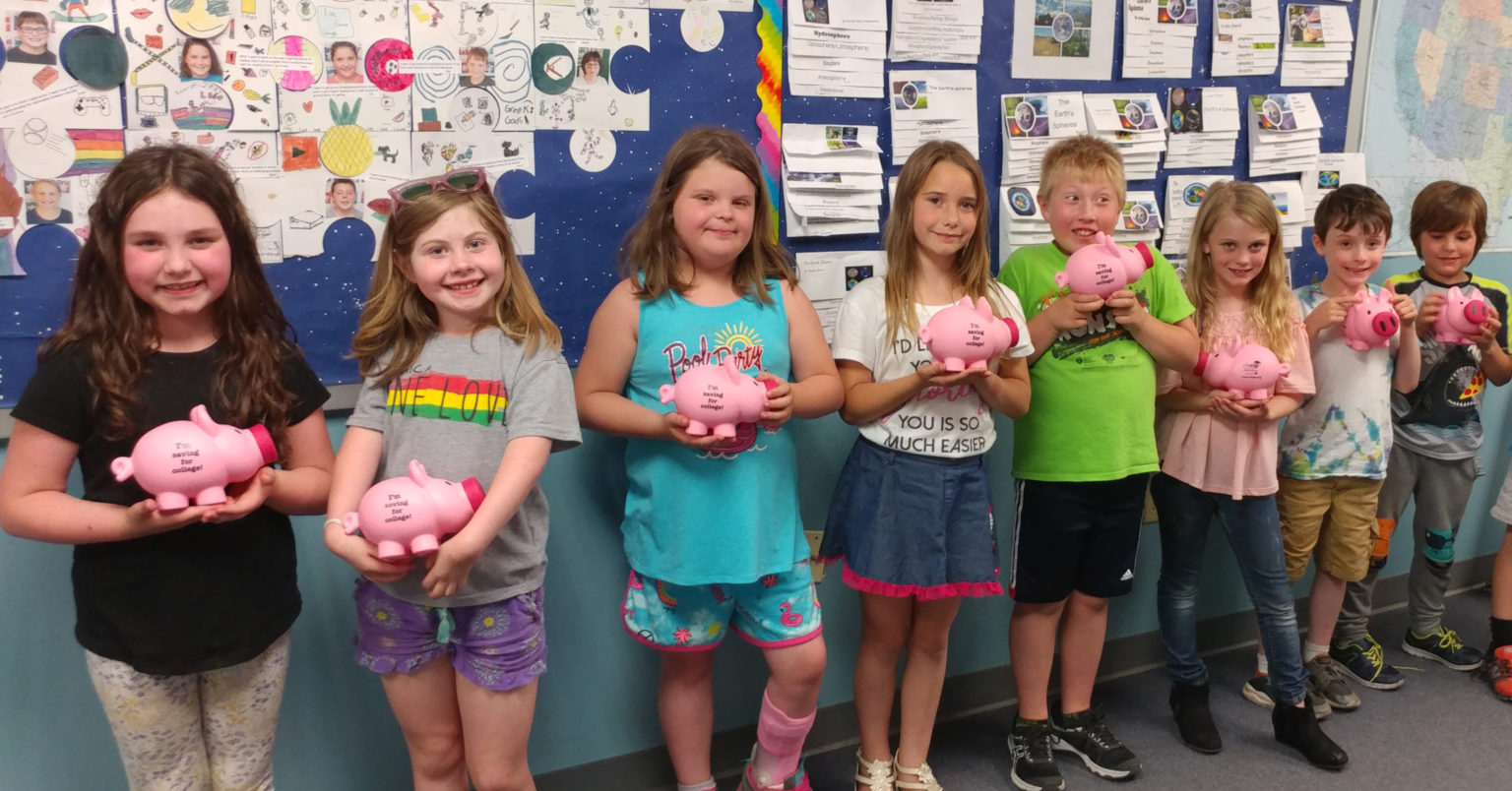
Vermont Afterschool, in collaboration with the Vermont State Treasurer’s Office, offers an 8-10 week financial wellness program called VerMoney every spring for youth in grades 2-5. This program provides afterschool and out-of-school time programs with a curriculum, training, and materials to teach young Vermonters to become more financially literate.
Teaching students financial concepts early can positively influence how they manage their finances throughout their lives. This curriculum helps young people reflect on the differences between wants and needs, and engages them in making choices about money.
From the Southern Vermont Area Health Education Center (AHEC) signature health careers exploration program for students in Grades 10-12, MedQuest provides high school students an opportunity to explore a wide variety of careers in health care, from the well-known to the unexpected. Through workshops and job shadows, students will have an opportunity to see a variety of careers in the health care workforce. Students will also learn some basic medical skills, medical terminology and be introduced to a variety of career and education tracks. Register by March 15th, 2022.
UVM and 4-H invite current 7-12 graders to join them for immersive research experiences in agrotechnology. Through topic-focused Science Cafes, Summer Academies, and Innovation Slams, participants will have an opportunity to learn from UVM faculty, staff and students, conduct their own experiments and share their findings!
As the program launches in 2022, participants will have an opportunity to conduct experiments using an inquiry-based approach to explore four innovative agrotechnology curricula: culturing cells for healthier soils, shifting the waste to value paradigm, creating smarter plastics with plants and using virtual reality for more precise agriculture. Application are due April 1st, 2022.
Tools and resources to teach core STEM curriculum through something kids love, Video Games. You provide the computers and they provide everything else! Click here for more info.
Create a free account and gain access to thousands of lessons and activities from all different subject areas and for all ages. Click here for more info.
A global robotics community preparing young people for the future with three different programs: First Lego League (pre-K-8), First Tech Challenge (grades 7-12), and First Robotics Competition (grades 9-12). Click here for more info.
Join or start a club through Girls Who Code, which is on a mission to close the gender gap in technology and to change the image of what a programmer looks like and does. There are clubs for 3rd-5th graders and 6th-12th graders, as well as summer programs and college programs. Click here for more info.
See how Entrepreneurial thinking brings STEAM to life. Full access (Part I and Part II) to VentureLabs Topics in Entrepreneurship Grades 1-12 curriculum at no cost to any VT program that reaches out to VentureLabs. Click here for more info.
In partnership with Vermont Energy Education Program, New Hampshire Energy Education Program, Vermont Department of Fish & Wildlife, NCSU Encore, and University of Vermont Extension 4H, Vermont Afterschool created this guide for STEM-based programs, which includes best practice examples (for Space, Connections, Content, Skills, and Pathways) appropriate for elementary, middle, and high school youth, as well as links to other important resources. Click here to download the guide.
Hack Club is the world’s largest peer-led network of teenage creatives who come together around the joy of code. Every day, thousands of Hack Clubbers gather online and in-person to make things with code. Whether you’re a beginner programmer or have years of experience, there’s a place for you at Hack Club. Join our Slack community of over 50,000 teens from 119 countries, browse free project resources to help you get started, or start your own Hack Club with a pizza grant! Click here for more info.
A project-based educational program that inspires interest in STEAM and equips students to become the next generation of innovators and leaders. Participants work together in teams and develop new friendships as they improve in creative thinking, critical thinking, and collaborative problem solving. Click here for free activities and click here for more info.
Tools and resources to teach core STEM curriculum through something kids love, Video Games. You provide the computers and they provide everything else! Click here for more info.
Create a free account and gain access to thousands of lessons and activities from all different subject areas and for all ages. Click here for more info.
A global robotics community preparing young people for the future with three different programs: First Lego League (pre-K-8), First Tech Challenge (grades 7-12), and First Robotics Competition (grades 9-12). Click here for more info.
Join or start a club through Girls Who Code, which is on a mission to close the gender gap in technology and to change the image of what a programmer looks like and does. There are clubs for 3rd-5th graders and 6th-12th graders, as well as summer programs and college programs. Click here for more info.
The National Girls Collaborative Project (NGCP) connects, creates, and collaborates with a network of advocates to promote equity and transform STEM for girls and all youth. NGCP shares research-based resources through our webinars, newsletter, and website to support programs and educators in making their programming more equitable and inclusive. Click here for more info.
Technovation is committed to empowering young women to become technology leaders, problem solvers & innovators. Through Technovation’s technology entrepreneurship program, girls design an app or AI solution to a real world problem. For community partners who implement this program, Technovation provides interactive curriculum, lesson plans, training, resources, and a virtual project-building platform. To learn more, check out this Program Overview or submit an interest form.
See how Entrepreneurial thinking brings STEAM to life. Full access (Part I and Part II) to VentureLabs Topics in Entrepreneurship Grades 1-12 curriculum at no cost to any VT program that reaches out to VentureLabs. Click here for more info.
What happens when you turn on the lights? How does a solar panel work? What’s the best way to build a windmill? How do our choices about transportation or heating our homes impact the climate? VEEP provides hands-on equipment, lesson plans, workshops and coaching to help you and your students answer these questions and more. Free K-12 curricula for download, and scholarships available to offset fees for kit rentals and workshops. Click here for more info.
Beth (teacher) and Curtis (scientist) travel the world doing field research on highly engaging topics, and students have a virtual front-row seat on the action! Each research mission tells a story about the place, its wildlife, and culture, and helps solve real-world problems. Multi-age content includes field videos, hands-on lessons, livestream events, and much more. Join missions live or adventure at your own pace! Embedded professional development helps providers build their own skills while working directly with students. Click here for more info.
Rosie’s Girls is a STEM, trades, and career exploration program for girls and gender-expansive youth entering grades 6-8. Participants are introduced to a career field that is non-traditional for their gender through hands-on learning in a supportive and empowering environment. In addition to trades and technical learning, Rosie’s Girls includes a social and emotional curriculum known as “Power Skills.” Four different themes are offered: Build, Weld, Explore, and Invent. Partner with Vermont Works for Women to host Rosie’s Girls once a week at your local school or community center and help girls expand their sense of what’s possible. Click here for more info or contact Marla Goldstein (mgoldstein@vtworksforwomen.org | 802-655-8900 x115).