Afterschool Professionals have a lot going on, and we want to help! One way we know how to help is by coming up with activities. And so, welcome to The Launchpad, a quarterly curation of curriculum perfect for afterschool programs. These activities will vary by content areas, lengths, difficulties, and ages. If find out when new Launchpads are available, sign up for our newsletter!
We hope these activities make life a little easier and provide some support to all of the wonderful and critical work you do. If you have any feedback or suggestions for what to include in the newsletter, please let us know!
Shape-Shifting Gummy Bears
All Ages
From: STEM Activities National Inventors Hall of Fame
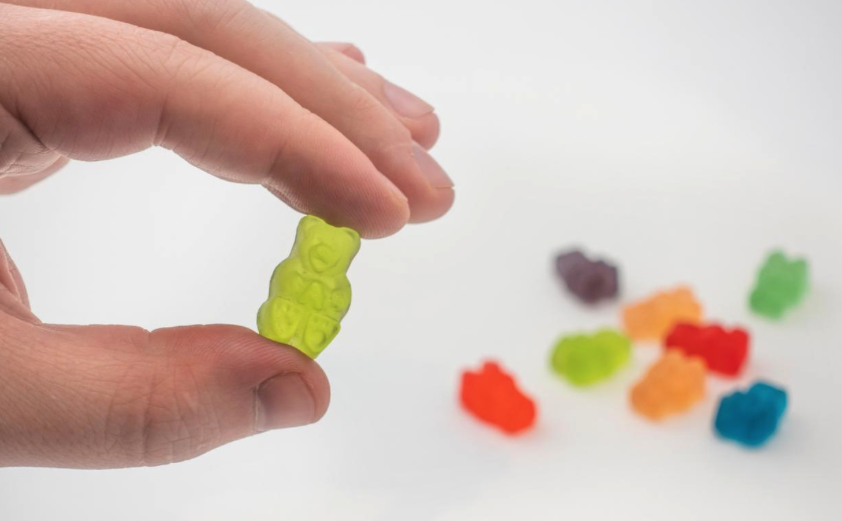
Have you ever wondered how water moves from soil into plants? You can look for answers by experimenting with STEM in the kitchen. And what could be better than getting to taste your latest discovery? We invite you to observe the power of osmosis with this sweet and salty shape-shifting experiment!
Materials Needed
- 3 small cups (glass or plastic)
- 3 gummy bears
- Plate
- Salt
- Spoon
- Sugar
- Water
Directions
- Pour approximately ¼ cup of water into each of the three cups.
- Add a spoonful of salt to one cup and a spoonful of sugar to another cup. Stir both cups until the salt and sugar dissolve.
- Place one gummy bear in each cup.
Set the cups in a safe place to rest overnight. - The next day, use a spoon to remove the gummy bears from the cups. Place them on a plate.
- Compare the gummy bears. Do you notice any changes? What do you observe about their size? About their texture?
What Are We Discovering?
Have you ever eaten a salty snack and felt thirsty afterward? One of the reasons for this is osmosis! If there is a higher concentration, or amount, of salt in the snack and a lower concentration of salt in your mouth, this imbalance causes the cells in your mouth to release some of their water, making it feel dry. Sweet snacks also can make you thirsty because there is a higher concentration of sugar in the snack compared to your mouth. Interesting, right? That’s why you feel relief after taking a drink because the salt or sugar from the snacks dissolves and your mouth is rehydrated.
Do you know how gummy bears are like the membranes in plants? Plant roots are a semipermeable (somewhat able to be passed through) membrane, meaning only water and certain minerals are able to pass through. Water wants to be at equal concentrations on both sides of a semipermeable membrane, like your cells, so it will flow in or out to restore balance. When you remove the gummy bears from the cups, you’ll observe how different they look because they’ve either expanded from absorbing the water moving from a higher concentration of sugar water or shrunk from water moving away to achieve a new equilibrium in the salt water. Since the tallest parts of a plant have more sodium, water flows upward to dilute the sodium. This gravity-defying process keeps plants hydrated and delivers nutrients to where they’re needed most! Osmosis can be observed in other living matter too!

Art/Literacy Activity: Making Comics
Grades 3-12
From: Mizzen Education
Seven basic activities for youth to explore how comics are made while learning about story telling, character, setting, action and plot. Each activity takes about an hour, and this course has 7-10 hours of activities that build as youth complete their own comic characters, strips, and finally books from start to finish.
Click here to access the Activity (creating an account is simple and free).
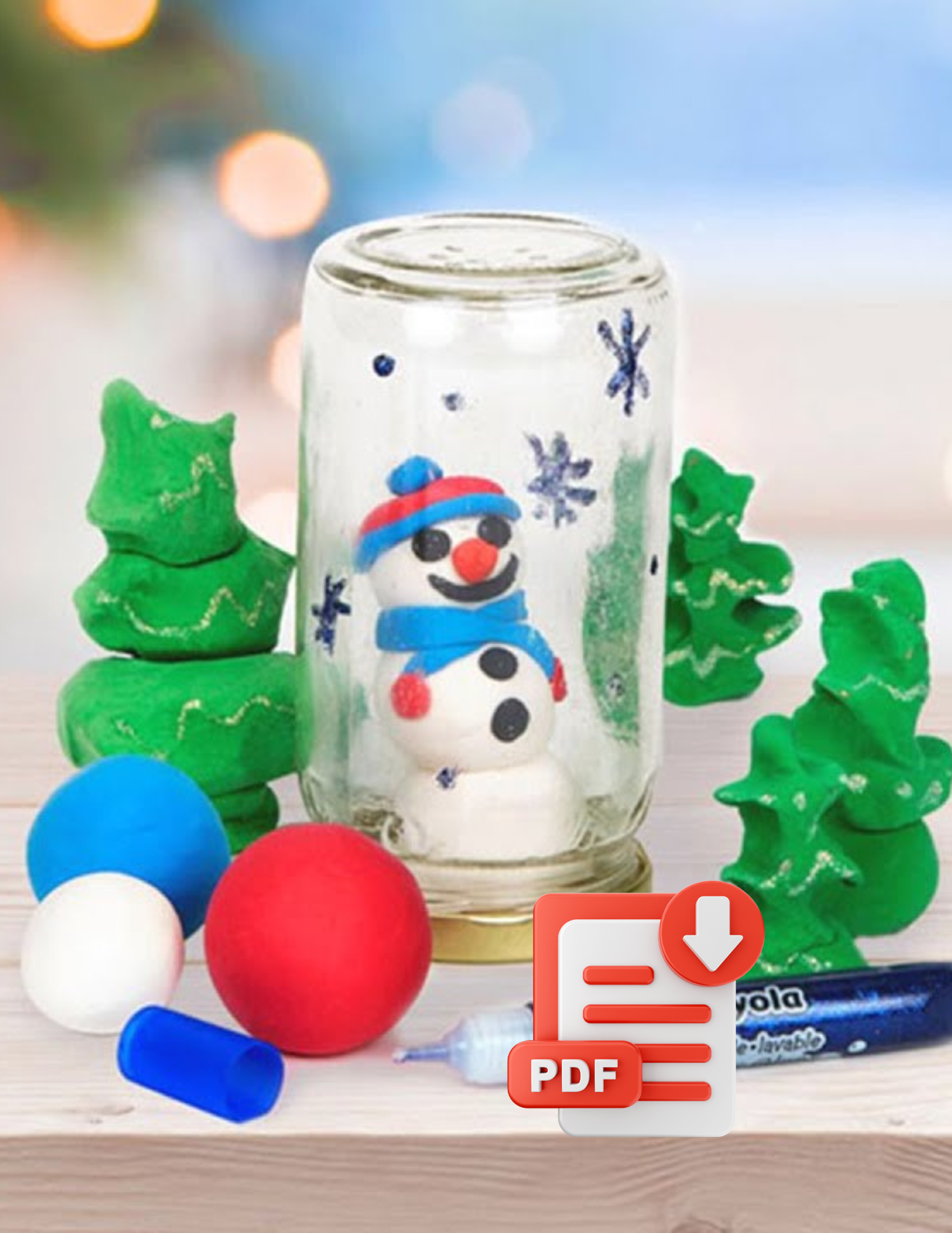
Arts & Crafts Activitiy: Snowman Snow Globe
Grades K-5
From: Crayola
SEL Activity: One Thing
All ages
From: Mizzen Education
In this closing, reflection activity, students think actively about doing something positive before the next time they meet. When students can think about kindness without prompting, and it becomes second nature, they are displaying positive character qualities and building empathy skills. Empathy encourages kindness, cooperation, and sharing, and it helps youth learn how to support one another. It also promotes emotional intelligence, allowing them to manage their own feelings better and respond to others in caring, thoughtful ways.
Materials Needed
- Markers
- Paper (if needed)
Directions
- 10 minutes before the end of the program session, ask students to form one large circle as a group.
- Ask students to think of one thing they can do for themselves or someone else that is positive, healthy, or nice, before the next time they see you. A few examples can be:
○ Give a compliment to a friend, teacher, or family member.
○ Give a drawing to a friend, teacher, or family member.
○ Hold the door open for a friend at school or in the afterschool program.
○ Sit next to someone who is usually by themselves. - Next, tell students they can use the provided paper and markers to draw or write their idea. Give students 2-3 minutes to create their plan.
- After their plans are complete, instruct the group to clean up their drawing and writing materials, keeping their paper with them.
- Bring students together again in the large circle.
- Ask students to share their ideas, one student at a time, with the whole group.
- Make sure every student shares; no one should be left out. If a student has a hard time sharing, offer them the option to come back to them at the end of the circle.
- Close the activity by asking students why they think this activity is important. Share with them that it helps them think of ways they can include positive activities throughout their day. Creating chances for positive activities also helps us think of ways to understand and connect with others’ feelings, which builds stronger friendships and reduces conflicts.*
*If a student displays interruptive behaviors, appears to be withdrawing/isolating multiple times, or seems to respond differently than usual to activities, acknowledge their feelings privately. If this is a recurring behavior or you have concerns with something you observe, it might be something to share with a supervisor.